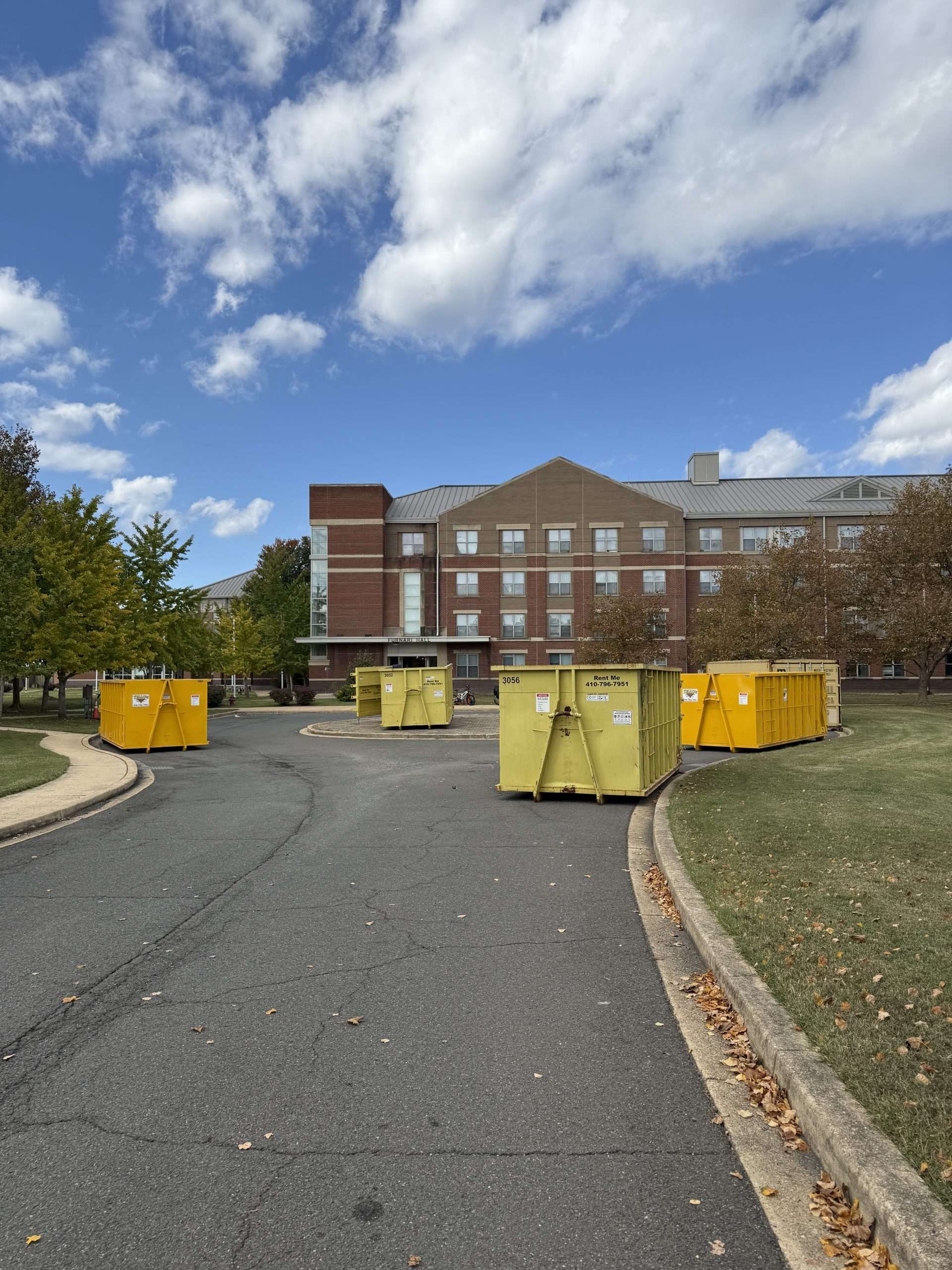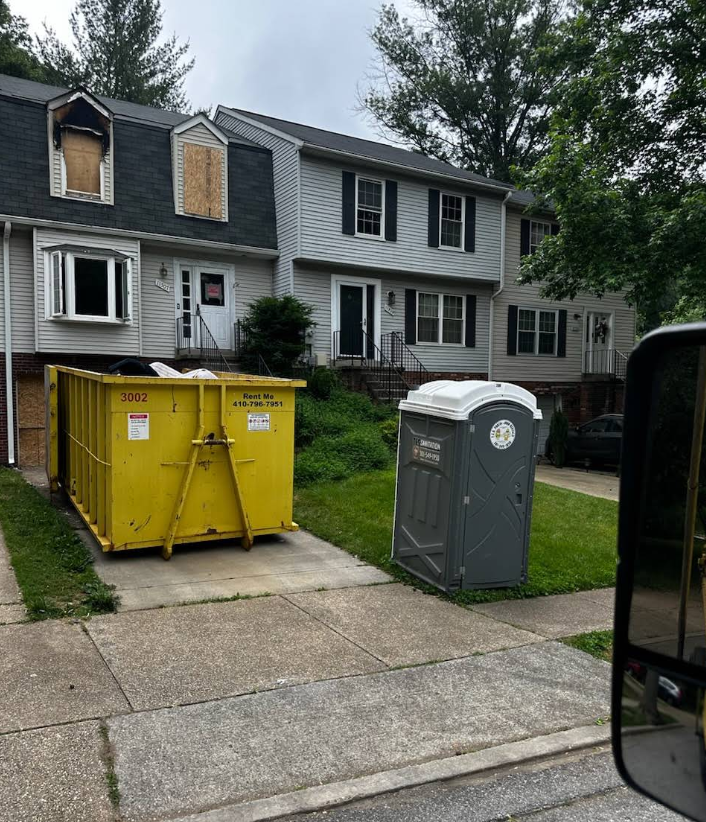
Roofing work can generate a large amount of debris in a short time. Old shingles, underlayment materials, nails, flashing, packaging, damaged decking, Roofing Materials, and roof debris can quickly pile up around a home, business, or commercial project. A roofing dumpster rental helps keep the job site organized, supports safer waste disposal, and provides roofing contractors with a central place to dispose of debris during roofing projects.
For Dumpster Rental in Ellicott City, MD, Yellow Dumpster Service offers roofing dumpster rental options for roofing debris, roof tear-off cleanup, shingle removal, and related construction waste management. With the right roll-off dumpster, our dumpster rental service can make cleanup more manageable for residential roofing jobs, roof replacement projects, storm damage repairs, Home renovations, and construction projects.
Why Roofing Dumpster Planning Matters
A roof replacement or repair often involves heavy, sharp, and bulky waste. Roofing Shingles, asphalt shingles, architectural shingles, cedar shakes, concrete tile, metal roofing, standing-seam metal, underlayment disposal, flashing, and construction & Demolition Debris all require careful handling. Without a designated waste container services plan, materials may end up scattered across the property.
We provide a central disposal option so roofing debris has a dedicated place to go. A roll-off dumpster setup can reduce loose piles, limit repeated handling, and support better waste management throughout roofing tear-offs. Good planning also helps roofing contractors consider roof size, material type, shingle layers, container size, and weight limits before loading begins.
Choose the Right Dumpster Size
Choosing the right dumpster size depends on the roof size, the number of shingle layers, the material type, and the amount of heavy debris. Asphalt shingles and architectural shingles can add weight quickly, while cedar shakes, underlayment materials, and flashing may take up more space. Metal roofing and standing-seam metal may require careful placement inside the container.
Common options may include a 15 Yard Dumpster, 20 Yard Dumpster, or 30 Yard Dumpster, depending on the project scope. Smaller residential roofing jobs may need a compact container, while larger roof replacement projects or commercial dumpster rentals may require a larger container size. A cubic yard estimate can also help compare the volume of roofing debris against pickup loads or a dump trailer rental.
Before scheduling container deliveries, ask us about disposal instructions, weight limits, and the right dumpster containers for roofing debris. Clear planning can help avoid overfilling, improper loading, or delays during pickup.
Choose the Right Dumpster Placement
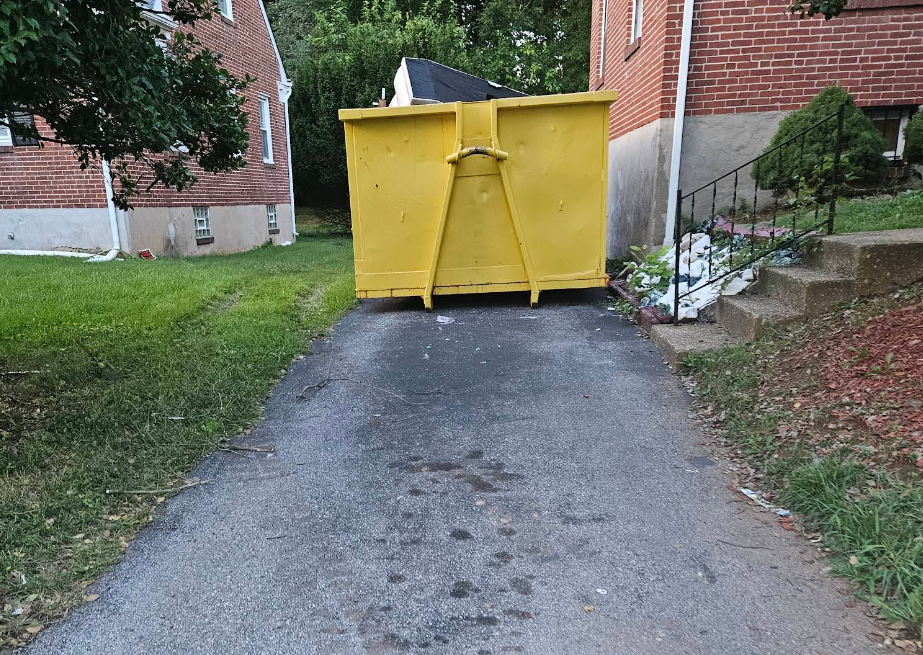
Dumpster placement can affect safety and workflow. Before delivery, select a flat, accessible spot close enough to the roofing work area but not blocking doors, garages, sidewalks, emergency access, scaffold setup, or work paths.
Common placement areas include:
- Driveways
- Parking areas
- Construction staging zones
- Accessible side areas near the work zone
- Tighter spots where a low-wall container may help with loading
If a dumpster must sit on a street or public right-of-way in Ellicott City, check local requirements before scheduling delivery. Permit rules can vary by placement type.
Protect Driveways and Surfaces
Roofing debris can be heavy, especially when Roofing Shingles and asphalt shingles accumulate. Before delivery, prepare the placement area and ask about drive protection. Driveway Boards or similar surface protection may help reduce direct contact between the roll-off dumpster and the driveway surface.
Clear the area of vehicles, outdoor furniture, planters, tools, and low-hanging branches before delivery. A clean, open space helps our container deliveries and pickup process move more smoothly.
Keep Roofing Debris Contained
A roofing dumpster works best when debris stays inside the container. Ground-thrown shingles can scatter nails, shingles, and underlayment materials if loading areas are not managed carefully. Use controlled disposal practices whenever possible.
Helpful containment tips include:
- Place debris directly into the dumpster instead of creating ground piles.
- Keep loose nails and small materials swept up throughout the project.
- Avoid loading above the dumpster rim.
- Break down bulky items when safe and practical.
- Keep the loading area clear of tools, cords, and foot traffic.
- Follow all disposal instructions provided before loading.
Overfilled dumpsters can create transport concerns. Debris should remain below the fill line or rim, depending on rental guidelines and service standards.
Separate Acceptable and Restricted Materials
Roofing dumpster rentals are commonly used for asphalt shingles, architectural shingles, roofing felt, underlayment materials, wood scraps, flashing, packaging, and general construction waste. Some debris may require separate handling.
We do not accept hazardous materials or hazardous waste. Do not place chemicals, solvents, paint, fuel containers, asbestos-containing materials, or regulated waste in the dumpster. Yard waste may also need separate guidance depending on the rental and disposal requirements.
When in doubt, ask us before loading. Clear disposal instructions can help prevent delays, extra handling, or rejected materials.
Watch for Nails and Sharp Objects
Roofing debris often contains nails, staples, and sharp metal edges. A dumpster helps reduce scattered hazards, but cleanup around the work zone remains important.
Use magnetic sweepers around driveways, walkways, lawns, parking areas, and loading zones. Sweep repeatedly during the project and again after final cleanup. Nails can fall from shingles, tarps, tools, shoes, debris piles, and roof tear-off work throughout the day.
Workers should also use proper gloves, footwear, and eye protection when handling roofing debris. Sharp materials can cut through bags and thin containers, so direct dumpster loading often works better than relying on trash bags.
Plan for Heavy Debris and Weight Limits
Roofing Shingles can become extremely heavy when stacked in a dumpster. Weight limits matter for safe hauling and proper waste disposal. Avoid mixing concrete tile, brick, dirt, and other dense materials with roofing debris unless we confirm approval for that specific rental.
Concrete tile, asphalt shingles, architectural shingles, and multiple layers of shingles can quickly add weight. Keeping the dumpster limited to approved roof debris can help reduce overweight issues and support smoother debris disposal.
Schedule Around the Roofing Timeline
Dumpster timing can affect cleanup during roofing projects. Schedule delivery before the roof tear-off begins so waste has a disposal location from the first stage of work. Pickup should be scheduled after final cleanup, once all approved debris has been loaded.
For larger roofing jobs, ask us whether one container will be enough or whether a swap-out may be needed. A full container on-site can slow cleanup if no additional disposal space is available.
Keep the Job Site Organized
A clean roofing job site depends on daily habits. Create a cleanup routine for crew members and helpers. Designate paths for carrying debris, mark loading zones, and keep ladders, cords, tools, materials, and scaffold setup areas away from the dumpster access point.
A well-organized site can help reduce trips, slips, punctures, and blocked work areas. Cleanup should happen throughout the project, not only at the end.
Communicate Before Delivery
Before scheduling a roofing dumpster rental in Ellicott City, MD, have basic project details ready:
- Type of roofing debris
- Estimated roof tear-off size
- Roof size and shingle layers
- Material type, such as asphalt shingles, cedar shakes, metal roofing, or concrete tile
- Preferred dumpster placement
- Property access details
- Delivery and pickup timing
- Any possible restricted materials
Clear communication helps us match the rental to the job, discuss dumpster pricing, review dumpster sizes, and ensure a smoother cleanup. Our customer service can also help with related needs such as Garage Cleanout Dumpster Rental, commercial dumpster rentals, construction service cleanup, and Dumpster Rental Systems for planned debris removal.
Roofing Dumpster Rentals Near Ellicott City, MD
For roofing cleanup near Ellicott City and surrounding service areas, call 410-796-7951 or visit our Contact Us page. We can help with roofing dumpster rental for roof repair, roof replacement, roofing tear-offs, shingle removal, construction projects, and cleanup needs.
FAQs About Roofing Dumpster Rental in Ellicott City, MD
1. What can go in a roofing dumpster?
Common roofing debris may include asphalt shingles, architectural shingles, underlayment materials, flashing, wood scraps, packaging, Roofing Materials, and related construction & Demolition Debris. We do not accept hazardous waste or hazardous materials.
2. What dumpster size works for roofing projects?
Dumpster sizes depend on roof size, shingle layers, material type, and debris volume. A 15 Yard Dumpster, 20 Yard Dumpster, or 30 Yard Dumpster may be used depending on the roof tear-off, container size needs, and weight limits.
3. Where should a roofing dumpster be placed?
A flat driveway, parking area, construction staging zone, or accessible side area often works well. For tighter spots, ask about placement options and whether a low-wall container may help with loading.
4. How can nails be controlled during roofing cleanup?
Use magnetic sweepers around driveways, walkways, lawns, parking areas, and loading zones. Sweep during the job and after final cleanup to collect nails from shingle removal and roof debris.
5. Can yard waste or hazardous material go in the same dumpster?
Yard waste may require separate guidance, and hazardous materials are not accepted. Ask us for disposal instructions before loading chemicals, solvents, paint, fuel containers, asbestos-containing materials, or any questionable waste.